
CoC for Rental Properties in Cape Town — Landlord Compliance Obligations Explained
Updated 2026 · 8-minute read · COC Certificate
Get a Free CoC Quote — Fast
Tell us what you need and we’ll send your price now.
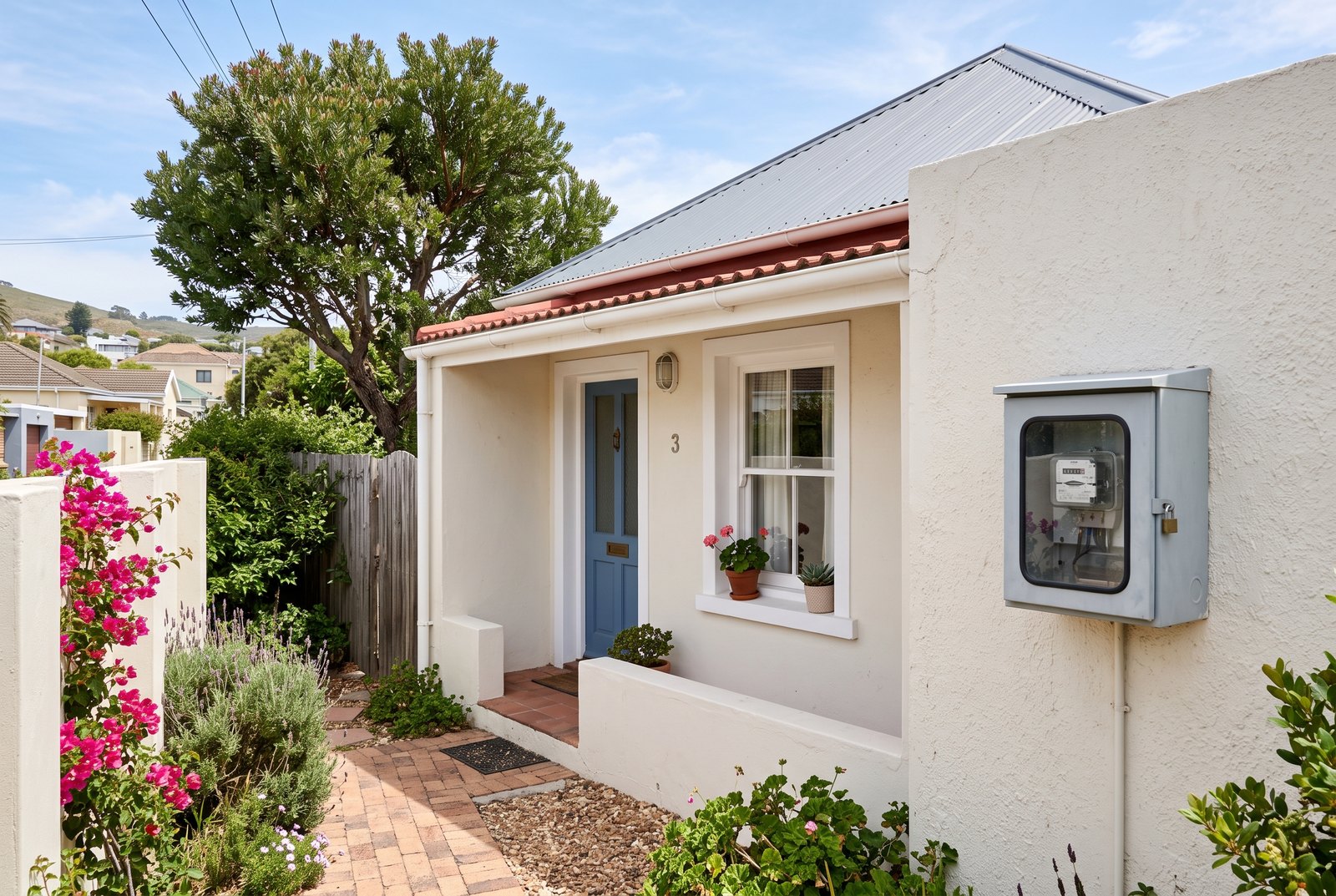
COC Certificate has been advising Cape Town landlords on compliance certificate obligations and has issued certificates for rental properties across the city. Many Cape Town landlords are unaware that their compliance obligations do not end at the point of sale — and that renting out a property with a non-compliant or expired electrical installation exposes them to criminal liability under the Electricity Act and civil liability under the Rental Housing Act.
What the Law Requires of Cape Town Landlords
Rental Housing Act (No. 50 of 1999)
Section 4(2)(b) requires landlords to ensure the property is in a “good state of repair” and is “habitable.” Tribunals and courts have consistently interpreted this to include: safe electrical installation, functional water supply, and safe gas appliances. A landlord who knowingly rents out a property with a dangerous installation has limited defence against liability for resulting damage or injury.
Electricity Act (No. 41 of 1987)
While the Electricity Act’s CoC requirement is triggered by property transfer, Section 13 places a duty on all persons responsible for an electrical installation to ensure it is in a safe condition. A landlord who knowingly maintains a non-compliant installation can be prosecuted under this section — especially following an electrical fire or electrocution at their rental property.
City of Cape Town By-law
The City of Cape Town’s Water Services By-law No. 14 of 2010 applies to all residential properties in the municipality — including rental properties. A landlord who rents out a property with a plumbing installation that leaks continuously, creates water waste, or poses a health risk can be reported to the City and face a compliance notice.
OHS Act — Gas and Electric Fence
The OHS Act Electric Fence System Regulations require that any person who uses or operates an electric fence system ensure it has a valid CoC. A landlord renting out a property with an electric fence is responsible for ensuring the fence has a valid CoC — the obligation does not sit with the tenant.
Recommended Landlord CoC Schedule
While not all CoCs are legally mandated for rental properties, the following schedule represents best practice for Cape Town landlords managing their liability:
| Certificate | Recommended Interval | Trigger Events | Cost Range |
|---|---|---|---|
| Electrical CoC | Every 2 years (at certificate renewal) | Before new tenancy; any electrical modification; post-incident | R950–R2,800 |
| Electrical Safety Check (not a CoC) | Annually between CoC renewals | Annual lease renewal; after major storm; after burglary | R450–R900 |
| Gas CoC | Every 5 years (or on appliance change) | New gas appliance; change of tenant; suspect smell | R1,200–R3,500 |
| Electric Fence CoC | Every 2 years | Any fence modification; before new tenancy | R850–R1,800 |
| Plumbing CoC | At property sale only (legally); every 3–4 years recommended | Persistent leaks; damp; geyser replacement; sale | R1,100–R2,500 |
5 Practical Steps for Cape Town Landlords
- Create a compliance file for each rental property — keep a physical or digital folder with all current CoCs, issue dates, and expiry dates. Review this file every year at lease renewal time.
- Include CoC handover in the lease agreement — add a clause confirming that the landlord has provided valid CoCs (electrical at minimum) at the commencement of the tenancy. This protects you legally if a tenant later claims the installation was non-compliant at move-in.
- Require tenant notification before any electrical modification — add a lease clause prohibiting the tenant from making any additions or modifications to the electrical installation without written landlord consent and a licensed electrician. Tenant modifications void your CoC.
- Conduct an entry inspection and exit inspection — document the condition of all electrical, gas, and plumbing installations at lease commencement and termination. This protects you against claims that damage occurred during your ownership.
- Act immediately on maintenance requests related to electrical, gas, or plumbing — a tenant’s written request about a flickering light, gas smell, or running toilet creates a documented record. Failure to act within a reasonable time creates liability. Target response for safety-related maintenance: 24–48 hours.
FAQ — Landlords
My tenant asked to see the electrical CoC — am I legally obliged to provide it?
The tenant made illegal electrical modifications. Who is responsible for the CoC now?
Do I need a CoC for each unit in a multi-unit rental building?
Cape Town Landlord? Keep Your Rental Property Compliant
We offer landlord compliance packages — all CoC types, portfolio tracking, and batch discounts for multi-unit properties. Call us to discuss your portfolio.
Book a Compliance Inspection
Landlords generally need the electrical certificate on a recurring basis rather than once per sale. Our Certificate of Compliance Cape Town service covers rental and transfer inspections alike.
💡 Planning a transfer? See current certificate of compliance prices in Cape Town for all six certificate types.