
Cape Town Plumbing Certificate: What Property Sellers Need to Know in 2026
Updated 2026 · 7-minute read · COC Certificate
Get a Free Plumbing CoC Quote — Fast
Tell us what you need and we’ll send your price now.
COC Certificate has been issuing plumbing compliance certificates in Cape Town, with plumbing inspections completed across the City Bowl, Southern Suburbs, Northern Suburbs, and surrounding areas. The Plumbing CoC is perhaps the least understood compliance certificate in Cape Town property transactions — many sellers, and even some estate agents and conveyancers from other provinces, are unaware it exists. This guide covers everything sellers need to know in 2026.
The Schedule 4 Certificate — Cape Town’s Official Plumbing CoC Form
Conveyancers and banks often call the plumbing CoC the Schedule 4 certificate. The name comes from the City of Cape Town Water By-law: Schedule 4 of the by-law prescribes the exact form of the Certificate of Compliance of Water Installation, and the document you receive after a passed inspection is that prescribed form.
Only a plumber registered with the City of Cape Town may complete and sign the Schedule 4 form. PIRB or IOPSA membership alone is not enough — the plumber must appear on the City’s own register of accredited plumbers.
The signed certificate goes to the City before transfer. In practice your conveyancing attorney submits it to the Water and Sanitation Department, and the transfer cannot be registered until the City has received it. The official Schedule 4 form download (PDF) and submission instructions are on the City of Cape Town website.
Where the Plumbing CoC Fits in Your Transfer Timeline
- Sale agreement signed. The standard Cape Town sale agreement makes the seller responsible for compliance certificates. The seller pays for the plumbing CoC unless the contract says otherwise.
- Book inspections early. Book the plumbing inspection together with the electrical CoC as soon as the agreement is signed — waiting for bond approval wastes 2–4 weeks of the transfer clock.
- Remediation and certificate issue. Around 41% of Cape Town homes need some remedial work first. Once the installation passes, the Schedule 4 certificate is issued.
- Conveyancer submits to the City. Your attorney sends the certificate to the City of Cape Town before lodgement in the Deeds Office. Registration of transfer cannot proceed without it.
Cost responsibility for each certificate type is covered in who pays for a CoC when selling, and the paperwork sellers should line up is in the property transfer CoC checklist.
What Does the Cape Town Plumbing CoC Inspection Cover When You Sell?
A plumber registered with the City of Cape Town tests the following elements of your property’s water installation:
Water Supply System
- Water meter condition and legibility
- Main stop valve operation
- Internal supply pipe condition and pressure
- Pipe sizing per SANS 10252-1
- Backflow prevention devices
- No cross-connections between potable and non-potable water
Drainage System
- Correct fall on drainage pipes (minimum 1:60 for horizontal runs)
- No blockages or displaced joints
- Correct ventilation (P-trap/bottle trap condition)
- No drainage to stormwater
- Manhole access and condition
Geyser & Hot Water
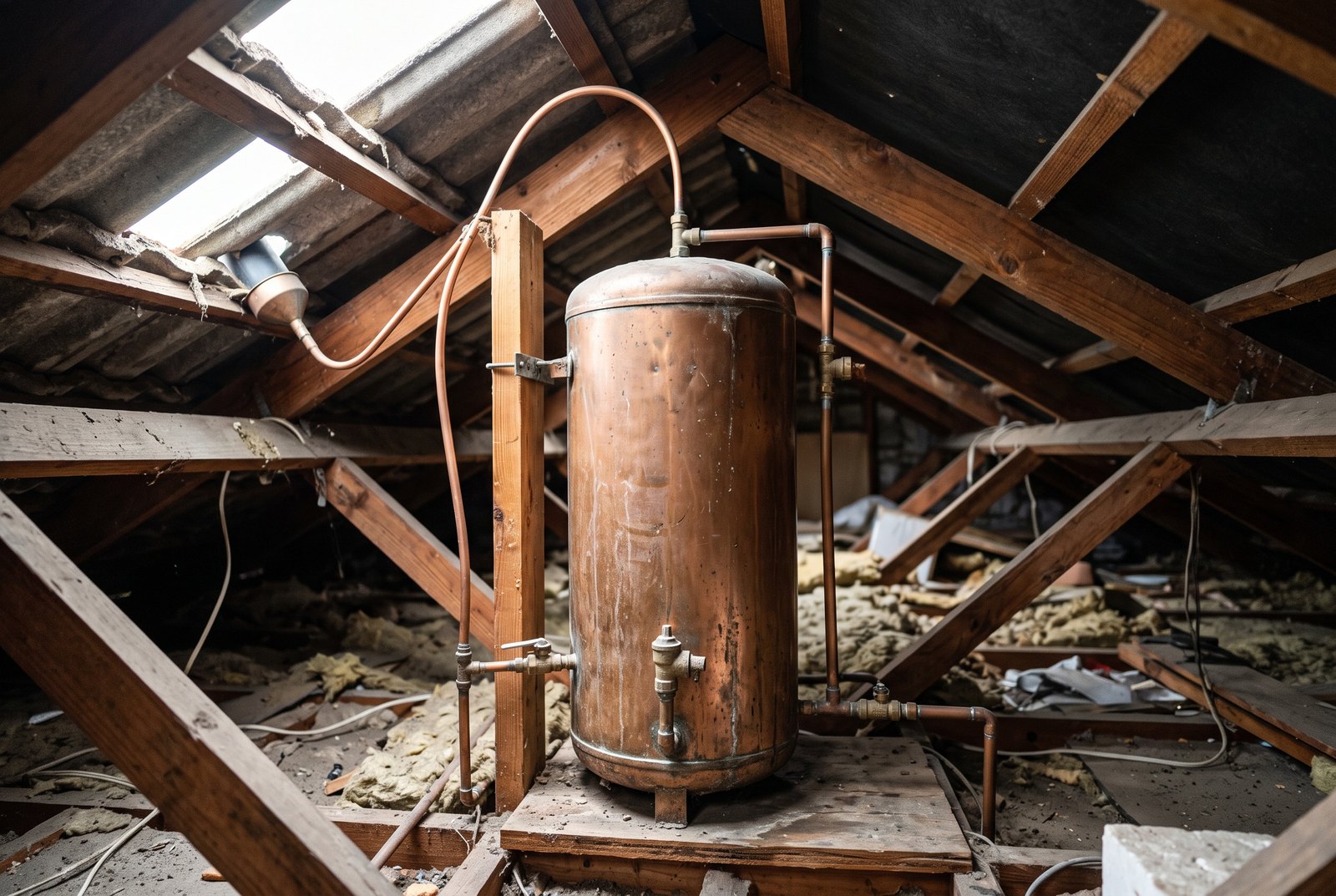
- Pressure/temperature relief valve (P&T valve) correct type and condition
- Drip tray condition and discharge pipe
- Drain cock on cold water inlet
- Correct pipe sizing on hot water outlets
- No active leaks at connections
Fixtures & Fittings
- No active leaks at taps, showers, or toilets
- Toilet cistern condition (no continuous running)
- Correct toilet connection to drainage
- Basin, bath, and shower trap condition
- No unlicensed secondary water connections
How Much Does a Plumbing CoC Cost the Seller in Cape Town?
| Property Type | Bathrooms | Inspection Cost | Avg Remediation |
|---|---|---|---|
| Small flat / studio | 1 | R1,100–R1,400 | R0–R2,500 |
| 2-bedroom flat / townhouse | 1–2 | R1,400–R1,800 | R0–R4,000 |
| 3-bedroom freehold home | 2 | R1,700–R2,100 | R0–R6,000 |
| 4-bedroom+ home / double storey | 3+ | R2,100–R2,500 | R0–R9,000 |
Plumbing Defects That Delay Cape Town Property Transfers
Approximately 41% of Cape Town homes require some plumbing remediation before passing their first inspection. The most frequent defects we find:
- Defective or absent P&T relief valve on geyser — occurs in 28% of inspections. The P&T valve must open at 700 kPa and 90°C and must be the correct type for the geyser brand and pressure rating. Replacement cost: R350–R800.
- Active pipe leaks — 22% of inspections. Often from older copper compression fittings or plastic push-fit joints. Repair cost: R600–R2,500 depending on location and pipe material.
- Incorrect geyser drip tray or discharge pipe — 19% of inspections. The drip tray must discharge to a visible point outside the ceiling space, not to the ceiling void. Cost to rectify: R350–R800.
- Continuously running toilet cistern — 16% of inspections. Ball valve or flap valve replacement: R250–R600 per toilet.
- No backflow prevention device — 14% of inspections. Required where the supply connects to any appliance or system that could contaminate the potable water supply. Cost: R400–R900.
- Unlicensed borehole or greywater connection — 8% of inspections. The City of Cape Town requires specific licensing and separation for any secondary water source. Rectification can be complex and costly — R3,000–R12,000.
Seller’s Pre-Inspection Checklist — Plumbing CoC
Run through this plumbing CoC checklist before the inspector arrives. Ten minutes of preparation prevents the most common re-inspection call-outs.
- ✅ Clear access to the geyser — the ceiling hatch must open and the inspector must reach the geyser, drip tray and valves.
- ✅ Fix running toilet cisterns — a continuously running cistern is a listed defect found in 16% of inspections.
- ✅ Check for visible leaks at taps, under basins and around toilet bases — even a slow drip is recorded.
- ✅ Locate the water meter and main stop valve, and check the meter glass is legible.
- ✅ Disclose any borehole, wellpoint, rain tank or greywater system up front — unlicensed connections are the most expensive surprise.
- ✅ Have previous compliance certificates ready — they help the inspector trace earlier remedial work.
- ✅ Book the electrical CoC for the same visit — one access window, one trip fee saved.
- ✅ Allow 60–90 minutes for a standard home, and make sure someone can let the inspector in.
Frequently Asked Questions — Selling With a Plumbing CoC in Cape Town
Can I sell my house in Cape Town without a plumbing certificate?
What is a Schedule 4 certificate?
Who pays for the plumbing CoC — the seller or the buyer?
How long is a plumbing CoC valid?
What happens if the plumbing inspection finds defects?
My property is in Bellville / Tygervalley / Brackenfell. Do I still need a plumbing CoC?
How long does a plumbing CoC inspection take?
Does my property need a plumbing CoC if it is on a borehole?
Book a Cape Town Plumbing CoC Inspection
Certificates issued to current SANS standards · Certificates within 24 hours of passing · Direct submission to your conveyancer
Plumbing is one of six certificates a Cape Town transfer can require. See the full range of Certificate of Compliance Cape Town services if your sale needs more than one.
💡 Planning a transfer? See current certificate of compliance prices in Cape Town for all six certificate types.